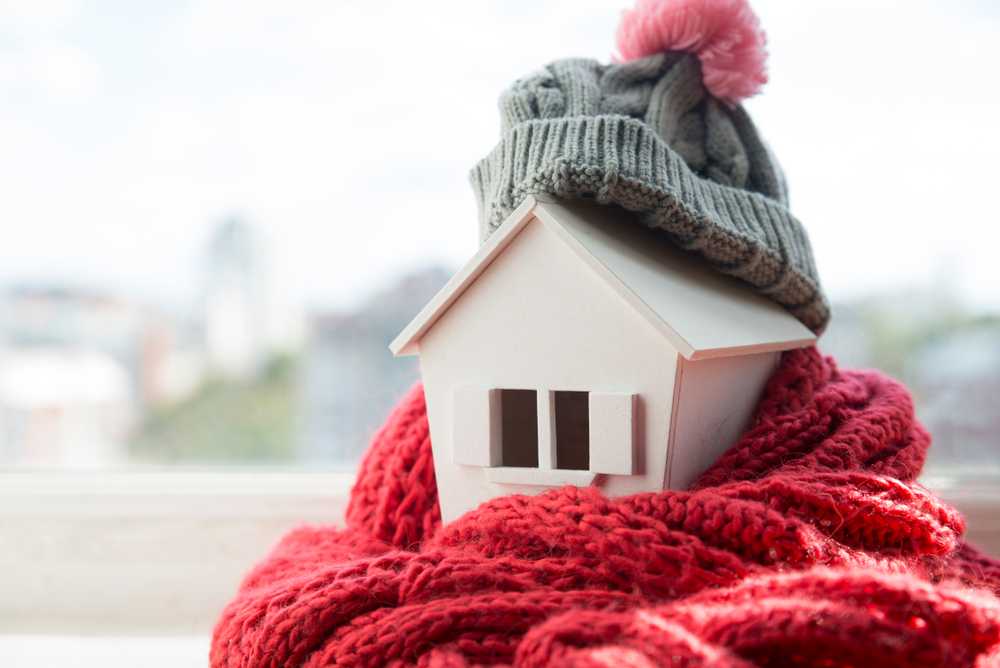
Cold weather in north Louisiana can arrive quickly, even after a stretch of mild fall temperatures. For Ruston homeowners, that makes the first real cold snap a poor time to discover that a furnace, heat pump, thermostat, or airflow problem has been developing unnoticed.
A little preparation before temperatures fall can help your heating system start more reliably, maintain comfortable indoor temperatures, and reduce the chance of needing urgent service during a busy cold-weather period.
Quick answer: Before a cold snap reaches Ruston, test your heating system, replace or inspect the air filter, check thermostat settings, clear supply and return vents, inspect the outdoor unit if you have a heat pump, and pay attention to unusual sounds, odors, or weak airflow. If the system struggles during a test run, scheduling professional service before colder weather arrives gives you more time to address the cause.
What local homeowners should know
-
Test your heat before you actually need it so you have time to address problems without waiting through a cold house.
-
North Louisiana can experience periodic cold air outbreaks during winter, so mild weather does not mean heating preparation can be skipped.
-
Heat pump owners should keep leaves, pine needles, and other debris away from the outdoor equipment.
-
Homes throughout Lincoln Parish can have different heating needs depending on system type, property layout, insulation, and equipment condition.
-
Strange noises, repeated cycling, weak airflow, or a system that cannot reach the thermostat setting deserve attention before temperatures drop further.
Why Heating Preparation Matters in Ruston
Heating preparation matters in Ruston because north Louisiana winters can include short but significant cold spells that suddenly put heating equipment under a heavier load. A system that seemed fine during mild fall weather may run much longer once nighttime temperatures drop, exposing airflow, thermostat, electrical, or equipment problems.
National Weather Service climate information for the broader north Louisiana region describes winters as generally mild but notes that moderate to severely cold air periodically moves into the area. Freezing temperatures are part of the regional winter climate.
That pattern makes early preparation especially useful. Residents near Louisiana Tech University, downtown, the I-20 corridor, and surrounding Lincoln Parish communities may go weeks without relying heavily on heat before suddenly needing it for hours at a time.
At J & B Air Conditioning, Heating, & Gutter, we encourage homeowners to pay attention to heating performance before cold weather creates an urgent comfort problem.
What Local Weather Data Tells Homeowners
North Louisiana weather data shows that homeowners should expect occasional freezing conditions even though much of the winter remains relatively mild. National Weather Service information for the region says cold spells are generally short and that freezing temperatures occur during winter, which makes readiness more practical than assuming mild conditions will continue.
Ruston is in north-central Louisiana along Interstate 20, roughly 30 miles west of Monroe and 60 miles east of Shreveport. While Shreveport climate observations should not be treated as exact Ruston measurements, they provide useful regional context for the cold air outbreaks that affect northern Louisiana.
Local residents can also monitor severe-weather information through LincAlerts, the community notification system serving the City of Ruston and Lincoln Parish.
How Cold Snaps Affect Your Heating System
A cold snap makes your heating system run longer and harder, which can reveal problems that were easy to miss during mild weather. Restricted airflow, dirty filters, thermostat problems, aging components, or heat pump issues may become much more noticeable when the equipment has to maintain indoor comfort for extended periods.
Heat pumps deserve particular attention because their outdoor components continue operating during heating season. Homeowners should make sure the area around the outdoor unit is unobstructed and should avoid stacking items, covering the equipment, or allowing heavy debris buildup around it.
Inside, blocked vents and heavily loaded filters can also interfere with airflow. Even simple problems can become more noticeable when heating demand rises.
Warning Signs Your Heating System Needs Attention
Heating systems that show performance changes before a cold snap should be checked rather than assumed to be ready for winter. A brief test run can help homeowners spot symptoms while there is still time to arrange service.
Watch for:
-
The system runs but produces little or no warm air.
-
Airflow from supply vents feels noticeably weaker than usual.
-
The equipment repeatedly turns on and off in short intervals.
-
The thermostat setting and actual indoor temperature remain far apart.
-
New rattling, grinding, buzzing, or banging sounds appear.
-
Unusual odors continue instead of fading shortly after the first seasonal startup.
-
Some rooms stay noticeably colder than others.
-
The system runs for unusually long periods without reaching the desired temperature.
Any significant or persistent change in operation is worth investigating before colder weather arrives.
When Should You Call a Heating Professional?
Call a heating professional when the system cannot maintain temperature, repeatedly shuts down, produces abnormal noises or odors, or shows a problem beyond basic homeowner maintenance. Testing early gives you the opportunity to schedule service before a cold snap creates a more immediate need.
Homeowners can safely handle basic tasks such as checking the thermostat, examining the filter, opening vents, and clearing accessible debris around outdoor equipment.
Electrical components, gas-burning equipment, refrigerant systems, internal controls, and equipment disassembly should be left to qualified professionals. If you smell gas or suspect a carbon monoxide problem, leave the affected area and follow appropriate emergency procedures rather than attempting HVAC troubleshooting yourself.
Common Causes of Heating Trouble Before a Cold Snap
Common heating problems include restricted airflow, thermostat issues, neglected maintenance, outdoor-unit obstructions, and equipment faults that only become obvious under heavier demand. In the Ruston area, the transition from a long cooling season into intermittent fall heating can make these problems easy to overlook.
1. Restricted airflow: A dirty filter or blocked return can reduce the air moving through the system.
2. Thermostat problems: Incorrect settings, weak batteries on applicable models, or control problems can prevent normal heating operation.
3. Outdoor debris: Leaves, vegetation, and other material around a heat pump can interfere with proper airflow.
4. Deferred maintenance: Equipment that has gone a long time without inspection may have developing issues that appear when heating demand increases.
5. Mechanical or electrical faults: Motors, controls, electrical connections, ignition components, and other internal parts can develop problems that require professional diagnosis.
How to Prepare Your Heating System Before Cold Weather
The best way to prepare your heating system is to test it early, restore good airflow, inspect accessible equipment, and arrange service for anything that does not operate normally. Ruston homeowners can complete several useful checks before the forecast calls for freezing temperatures.
Start by switching the thermostat to heating mode and selecting a temperature slightly above the current indoor temperature. Confirm that the system starts and that warm air eventually reaches the living spaces.
Next, inspect the air filter and replace it when appropriate for your system and filter type. Walk through the house and make sure supply registers and return grilles are not blocked by furniture, rugs, boxes, or curtains.
For a heat pump, look at the outdoor unit from a safe distance. Remove loose leaves or debris from the surrounding area without opening the cabinet or disturbing electrical components.
Finally, check your carbon monoxide alarms and smoke alarms according to their manufacturers’ instructions, especially if your home uses fuel-burning equipment.
What Should You Expect From Heating Maintenance?
Heating maintenance should help identify developing problems, verify basic system operation, and give homeowners a clearer picture of equipment condition before heavier winter use. The exact work needed depends on the type, age, configuration, and current condition of the heating system.
Maintenance cannot guarantee that equipment will never break down. It can, however, provide an opportunity to find observable problems before a cold-weather service call becomes urgent.
For local homeowners, timing matters. Having the system checked during fall or before a forecasted cold period can leave more room to consider repair options instead of making decisions while the house is already uncomfortable.
Common Heating Preparation Mistakes
The most common heating preparation mistakes involve waiting too long, overlooking airflow, and treating unusual operation as normal. A better approach is to test the system while outdoor temperatures are still manageable.
Mistake: Waiting for freezing weather to turn on the heat.
Consequence: A hidden problem becomes an immediate comfort issue.
Better approach: Run a heating test before the first major cold snap.
Mistake: Ignoring a dirty filter.
Consequence: Restricted airflow can make the system work harder and affect comfort.
Better approach: Inspect the filter and follow the appropriate replacement schedule.
Mistake: Blocking vents in unused rooms.
Consequence: Closing or obstructing vents can disrupt intended system airflow.
Better approach: Keep registers unobstructed unless an HVAC professional recommends otherwise for your system.
Mistake: Attempting internal repairs without proper training.
Consequence: Electrical, combustion, or equipment hazards can result.
Better approach: Limit DIY work to safe checks and leave diagnosis and internal repairs to a professional.
A Common Ruston Cold-Snap Scenario
A common local scenario is a homeowner turning on the heat after weeks of mild weather and discovering that the system runs but does not warm the house normally. The problem may have gone unnoticed because the heating system had barely operated since the previous winter.
The homeowner checks the thermostat, filter, and vents but still notices weak performance. At that point, professional diagnosis is more useful than repeatedly changing thermostat settings or waiting for the problem to resolve itself.
Testing earlier changes the situation. Instead of discovering the problem on a freezing night, the homeowner has time to schedule an evaluation and understand the available options.
Heating Services That Can Help Before Winter
Professional heating service can help identify why a system is not starting, heating, or circulating air as expected before colder weather increases demand. The appropriate solution may involve maintenance, a specific repair, or a broader discussion about equipment condition depending on what an inspection finds.
Our goal is to help local homeowners understand what their heating system needs and address problems before they become more disruptive.
DIY Heating Checks vs. Professional Service
DIY checks are appropriate for simple, accessible tasks, while equipment diagnosis and internal repairs belong with a trained heating professional. Knowing where that line falls helps Ruston homeowners prepare safely without overlooking a developing system problem.
Homeowners can generally check thermostat settings, filters, accessible vents, and visible debris around outdoor equipment. A professional should investigate persistent heating failures, electrical problems, unusual equipment noises, ignition concerns, internal components, and other issues requiring specialized tools or system knowledge.
The objective is not to turn every seasonal check into a service call. It is to recognize when a simple homeowner task ends and technical diagnosis begins.
Heating Service Areas Around Ruston
Heating preparation is relevant throughout Ruston and surrounding Lincoln Parish communities where homeowners rely on their systems during north Louisiana cold spells. Nearby areas such as Grambling and communities along the I-20 corridor experience the same broader regional weather shifts.
Local housing also varies considerably, from properties near Louisiana Tech and central neighborhoods to lower-density residential areas outside the city core. Ruston’s official zoning information reflects a mix of single-family, two-family, multifamily, manufactured-home, and other property types.
What Can Happen If You Ignore Heating Problems?
Ignoring heating problems can turn a manageable issue into lost comfort, higher system strain, or an urgent service need when cold weather arrives. A system already showing weak airflow, unusual cycling, or inconsistent heating is unlikely to benefit from being pushed harder without addressing the underlying cause.
There is also a timing issue. Cold snaps naturally put more households in the same position at once. Finding a problem beforehand gives you more flexibility to understand what is happening and decide on the appropriate next step.
Frequently Asked Questions About Heating Preparation in Ruston
How early should Ruston homeowners test their heat?
Ruston homeowners should test their heating system before consistently cold weather arrives, ideally while temperatures are still comfortable enough that a heating failure is not an emergency. Turn the system on, confirm that it starts normally, check airflow, and watch for unusual sounds, odors, cycling, or difficulty reaching the thermostat setting.
Do temperatures actually reach freezing in north Louisiana?
Yes. Freezing temperatures occur in north Louisiana even though winters are generally milder than in colder parts of the country. National Weather Service regional climate information notes periodic cold-air outbreaks and freezing conditions during winter. That is why homeowners should have heating equipment ready before a forecasted cold snap.
Should I replace my HVAC filter before a Ruston cold snap?
Check the filter before a cold snap and replace it if its condition or the manufacturer’s recommended schedule indicates replacement is due. A heavily loaded filter can restrict airflow, which becomes particularly noticeable when the heating system is operating for longer periods during colder weather.
What should I check if my Ruston home is not getting warm?
Start with safe basics: verify that the thermostat is in heating mode, confirm the temperature setting, inspect the air filter, and make sure vents and returns are unobstructed. If the equipment runs but the house still does not warm properly, professional diagnosis can identify problems that are not visible to the homeowner.
How should I prepare a heat pump for cold weather in Lincoln Parish?
Keep the outdoor heat pump clear of leaves, vegetation, and stored objects so air can move around the equipment. Check the indoor filter and test heating operation before colder weather arrives. Do not open equipment panels or attempt electrical or refrigerant repairs yourself.
Is an unusual smell normal when I first turn on the heat?
A brief dusty odor can sometimes occur when a heating system first operates after sitting unused, but persistent, strong, burning, electrical, or gas-like odors should not be ignored. Turn the system off when appropriate and seek professional or emergency assistance based on the type and severity of the odor.
What should homeowners near Louisiana Tech check before winter?
Homeowners and residential property managers near Louisiana Tech should verify thermostat operation, filters, vents, and heating performance before a cold snap. Louisiana Tech itself is a major local landmark and Ruston includes a mixture of residential property types, so the specific heating equipment and maintenance needs can vary by building.
Should I wait until my heating system stops working before scheduling service?
No. If the system is already showing weak airflow, repeated cycling, abnormal noises, unusual odors, or difficulty maintaining temperature, addressing the symptom before complete failure provides more time for diagnosis. That can be especially valuable when a north Louisiana cold spell is approaching.
Get Your Ruston Home Ready for the Next Cold Snap
Preparing your heating system before temperatures fall gives you a better chance of entering cold weather with reliable, comfortable heat. A few homeowner checks combined with professional attention when something seems wrong can prevent an overlooked issue from becoming a much more inconvenient winter problem.
For homeowners in Ruston and surrounding Lincoln Parish communities, we are here to help you prepare your heating system for colder weather.
Stay Comfortable When North Louisiana Temperatures Drop
Get ahead of heating problems before the next cold snap puts extra demand on your system.